
Maxim's Group x Starbucks WeChat Mini Program Case Study
Background
For food and beverage brands, digital ordering is only one part of the customer journey. The real opportunity is to connect ordering, membership, store traffic, promotions, and repeat purchase into a single mobile experience.
This case examines a WeChat Mini Program built for Maxim's Group and Starbucks-related retail operations, with a focus on user experience, cross-border retail behavior, and efficient digital operations.
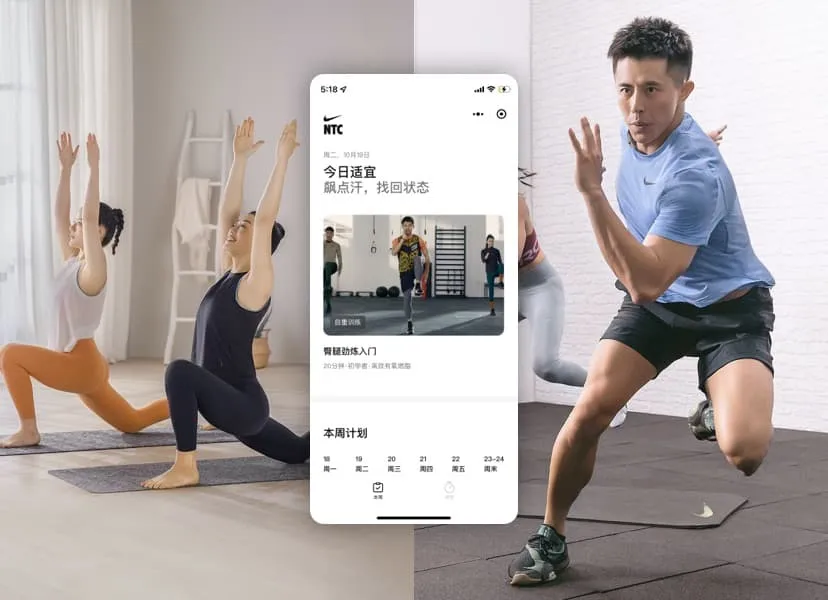
 Starbucks WeChat Mini Program interface
Business Challenge
Food and beverage customers expect speed and convenience. At the same time, brands need to protect service quality, avoid operational chaos during peak hours, and keep customers returning after the first purchase.
The key challenges were:
- Making the ordering journey simple on mobile.
- Supporting promotions without confusing users.
- Connecting online activity with offline stores.
- Helping operators manage products, campaigns, and customer data.
- Creating a repeatable foundation for future marketing.
Mini Program Experience
The mini program created a direct, lightweight channel inside WeChat. Users could enter quickly, browse products or campaigns, and move toward purchase without downloading another app.
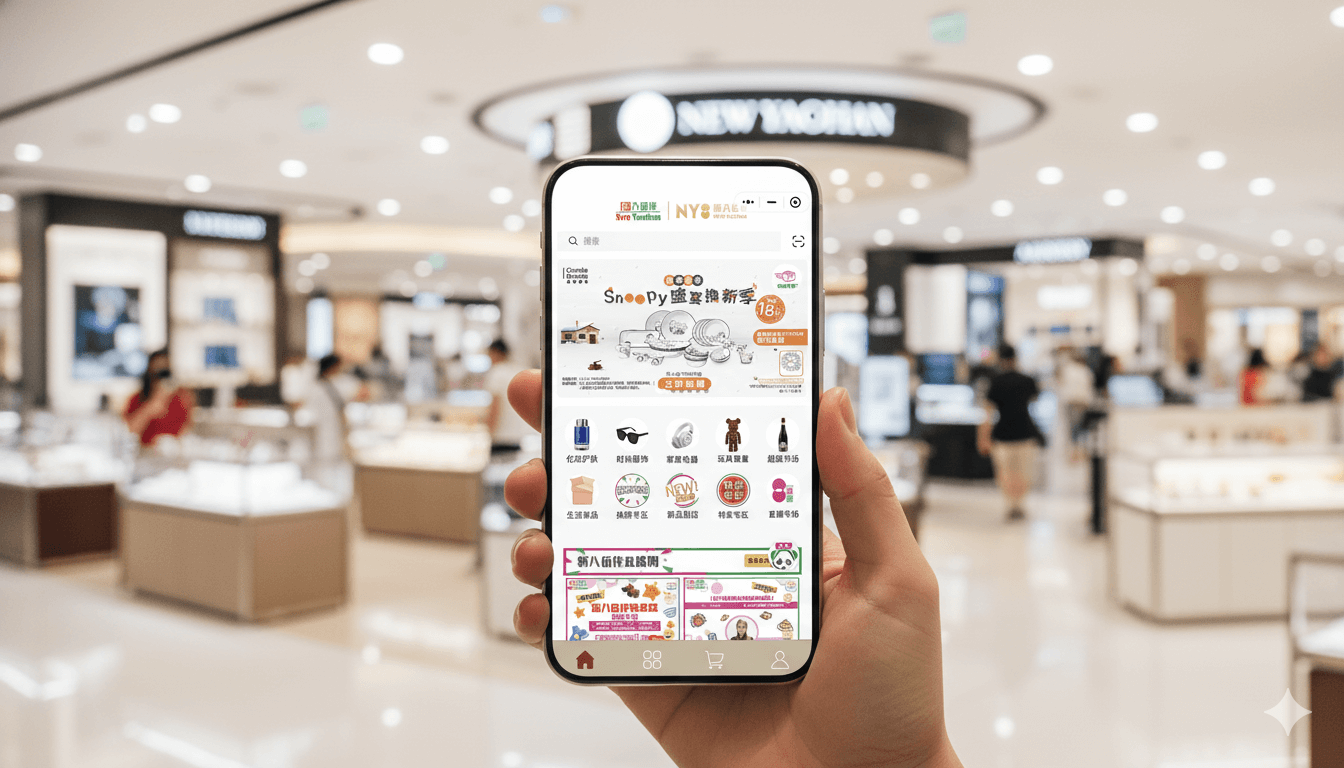
 Product browsing in WeChat Mini Program
The experience focused on clear category structure, polished product presentation, and short paths from browsing to action.
 Campaign and promotion page
Conversion and Operations
A strong food and beverage mini program must serve both customers and store operators. For customers, the flow needs to be fast. For operators, content and campaign updates need to be manageable.
 Ordering and product detail flow
 Membership or campaign flow
The project supported a more controlled operation by connecting product display, promotion logic, and user interaction in one channel.
Customer Retention
The WeChat ecosystem gives F&B brands a natural way to build private traffic. A user who enters through a campaign can later receive membership messages, seasonal promotions, store updates, or product recommendations.
 Customer retention and engagement interface
This is where the mini program becomes more than an ordering tool. It becomes a customer relationship channel.
Results and Lessons
The project shows that WeChat Mini Programs are especially effective for F&B brands when they are designed around real customer behavior:
- Keep entry friction low.
- Make ordering and campaign discovery fast.
- Connect online journeys with offline store operations.
- Use membership data to improve repeat engagement.
- Give operators flexible backend control.
Conclusion
For Maxim's Group and Starbucks-related operations, the mini program created a practical digital bridge between brand, store, and customer. It improved the mobile journey while giving the business a stronger foundation for campaigns, membership operations, and long-term customer retention.